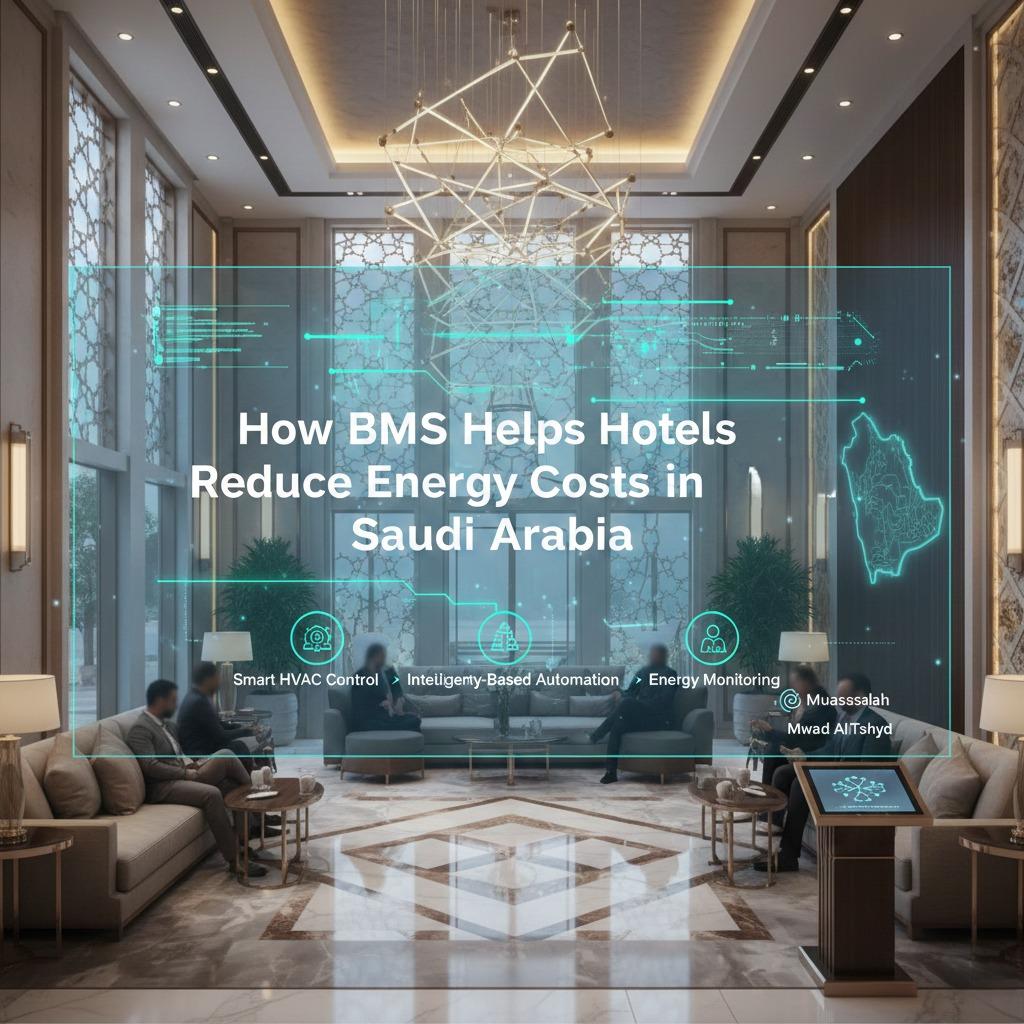
1. Smart HVAC Control
Cooling is the biggest energy expense for hotels. A BMS automatically adjusts temperature based on occupancy, time of day, and outdoor conditions. Guest rooms can return to energy-saving mode when vacant, while public areas stay comfortable during peak hours.
2. Intelligent Lighting Management
BMS integrates lighting schedules, motion sensors, and daylight controls. Lights dim or switch off when spaces are unoccupied, reducing unnecessary consumption without affecting guest experience.
3. Occupancy-Based Automation
By linking room management systems with BMS, hotels can avoid cooling and lighting empty rooms. This alone can lead to significant energy savings—especially in large properties with varying occupancy levels.
4. Centralized Monitoring & Insights
A BMS provides real-time data on energy usage across the hotel. Facility managers can quickly identify inefficiencies, abnormal consumption, or equipment running outside schedules—and take action before costs escalate.
5. Preventive Maintenance
Well-maintained systems run more efficiently. BMS alerts operators to equipment issues early, preventing energy loss caused by faulty HVAC units, sensors, or controls.
Designed for Saudi Hospitality Projects
In Saudi Arabia, hotels must balance guest comfort, sustainability goals, and operational costs. A properly designed BMS supports all three—while aligning with Vision 2030’s focus on energy efficiency and smart infrastructure.
A Smarter Way Forward
Reducing energy costs doesn’t mean compromising comfort. With the right BMS strategy, hotels can create smarter operations, lower utility bills, and deliver a better guest experience.
At Mwad AlTshydLiltijarah (MMTL Tech) we design and integrate BMS solutions tailored for hospitality environments—helping hotels operate efficiently today and stay ready for the future.